Portable power stations, 88–3600 Wh

The number on the box
is not what you get.

Between the cell and your outlet sits an inverter, and it takes its cut. A station advertised at 1,000 Wh delivers roughly 850 Wh to a 120 V plug. Every model here is listed with both figures.

🔋 18 models compared 📄 Specs from manufacturer listings ⚡ 16 of 18 use LiFePO4
The comparison

18 power stations, grouped by what they are for

Heads-up: the “Check price” buttons are affiliate links. If you buy through one, Amazon may pay us a commission at no extra cost to you — and it does not affect the ranking. How this works.

Battery
Sort by

1RANK
🏆 Top pick · Mid-size
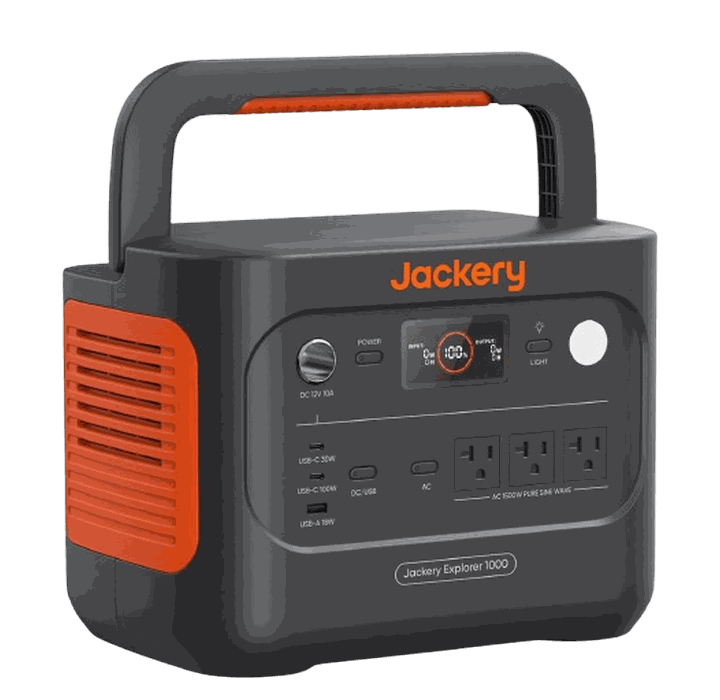
Jackery Explorer 1000 v2 portable power station
300–1,200 Wh · Jackery

Jackery Explorer 1000 v2

★★★★★★★★★★4.73,582 ratings
Usable
910 Wh
What you get
Rated
1,070 Wh
What it says
Output
1,500 W
At once
🔋 LiFePO4 · 23.8 lb
Our takeHighest score in Mid-size, the broadest review base here with 3,582 ratings and LiFePO4 rated for 4,000 cycles.
1,070 Wh rated
99/100Overall score
$$$$$
Check price on Amazon
2RANK
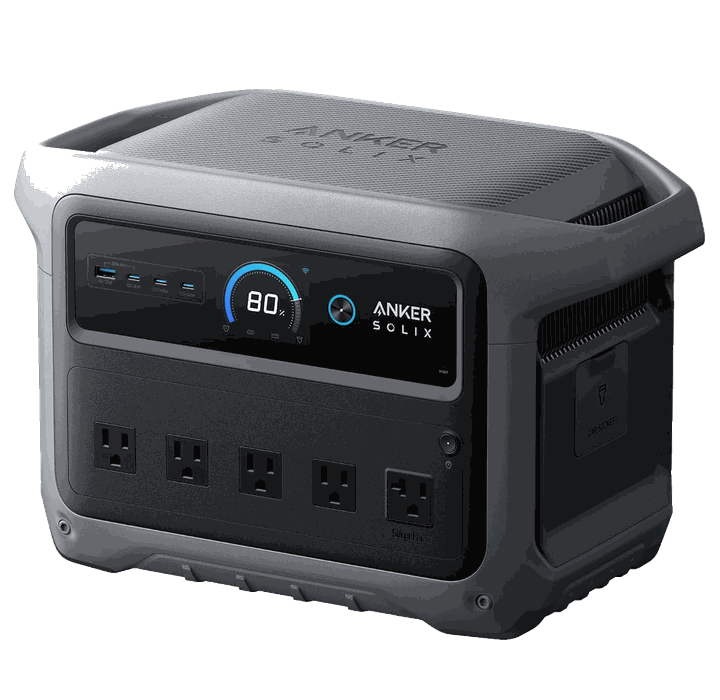
Anker SOLIX C1000 Gen 2 portable power station
300–1,200 Wh · Anker

Anker SOLIX C1000 Gen 2

★★★★★★★★★★4.71,504 ratings
Usable
870 Wh
What you get
Rated
1,024 Wh
What it says
Output
2,000 W
At once
🔋 LiFePO4 · 24.9 lb
Our takeLiFePO4 rated for 4,000 cycles.
1,024 Wh rated
99/100Overall score
$$$$$
Check price on Amazon
3RANK
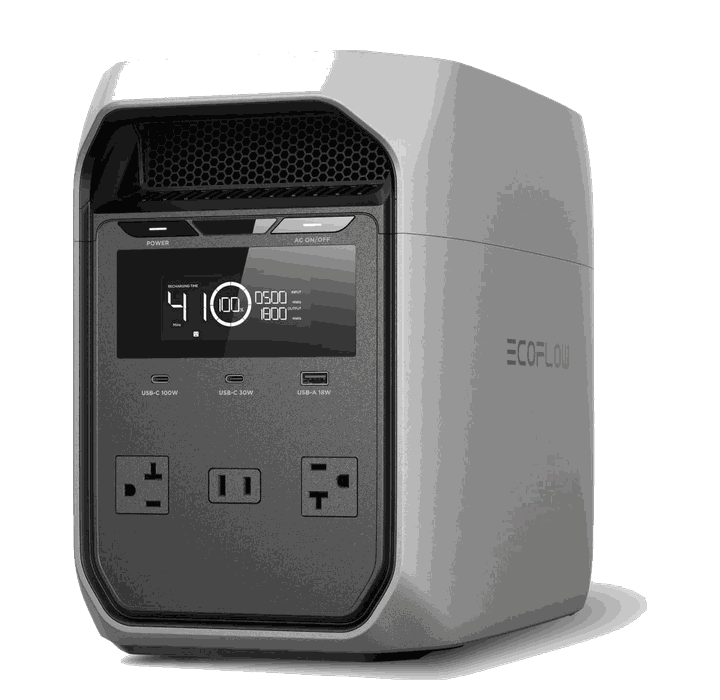
EcoFlow Delta 3 Classic portable power station
300–1,200 Wh · EF ECOFLOW

EcoFlow Delta 3 Classic

★★★★★★★★★★4.71,206 ratings
Usable
870 Wh
What you get
Rated
1,024 Wh
What it says
Output
1,800 W
At once
🔋 LiFePO4 · 26.7 lb
Our take870 Wh usable from 1,024 Wh rated.
1,024 Wh rated
98/100Overall score
$$$$$
Check price on Amazon
4RANK
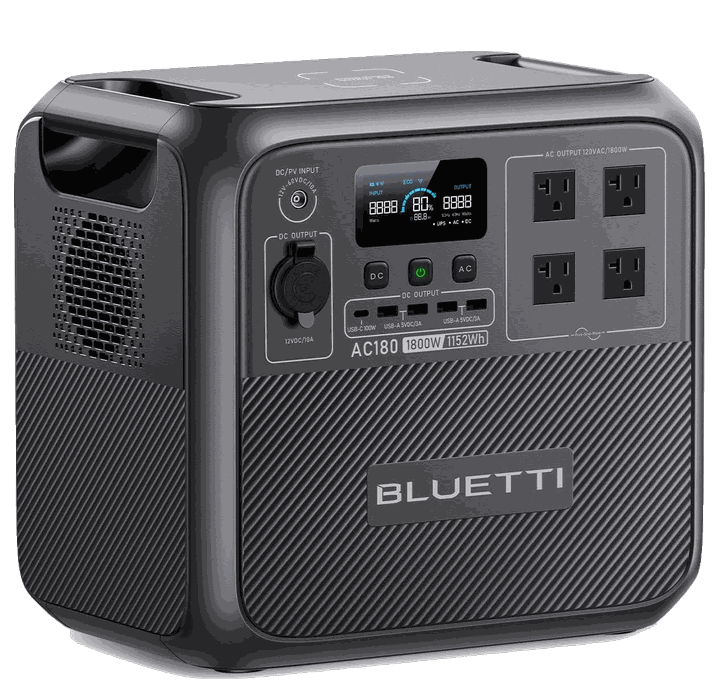
BLUETTI AC180 portable power station
300–1,200 Wh · BLUETTI

BLUETTI AC180

★★★★★★★★★★4.61,857 ratings
Usable
979 Wh
What you get
Rated
1,152 Wh
What it says
Output
1,800 W
At once
🔋 LiFePO4 · 35.3 lb · 5-year warranty
Our takeThe largest battery in its class.
1,152 Wh rated
97/100Overall score
$$$$$
Check price on Amazon
5RANK
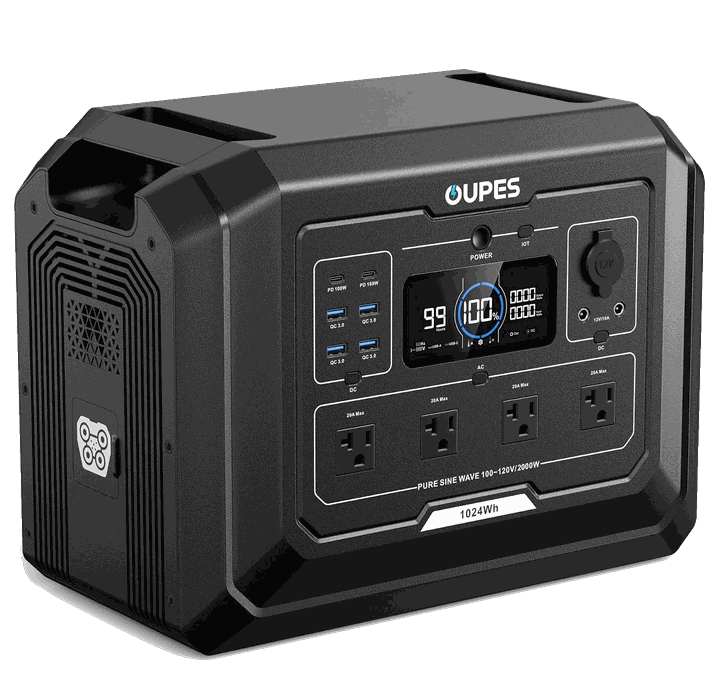
OUPES Mega 1 portable power station
300–1,200 Wh · OUPES

OUPES Mega 1

★★★★★★★★★★4.61,329 ratings
Usable
870 Wh
What you get
Rated
1,024 Wh
What it says
Output
2,000 W
At once
🔋 LiFePO4 · 27.8 lb
Our takeLiFePO4 rated for 3,500 cycles.
1,024 Wh rated
97/100Overall score
$$$$$
Check price on Amazon
6RANK
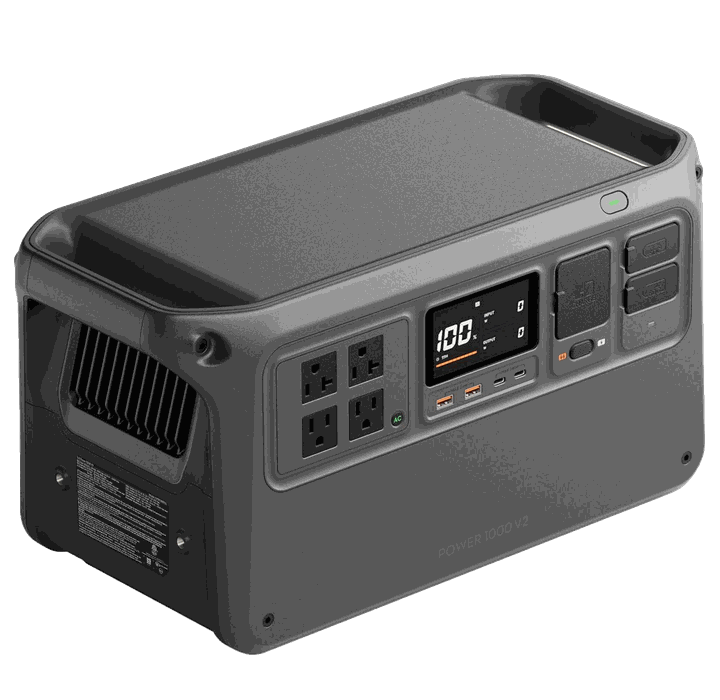
DJI Power 1000 V2 portable power station
300–1,200 Wh · DJI

DJI Power 1000 V2

★★★★★★★★★★4.4756 ratings
Usable
870 Wh
What you get
Rated
1,024 Wh
What it says
Output
2,600 W
At once
🔋 LiFePO4 · 31.3 lb · 5-year warranty
Our take870 Wh usable from 1,024 Wh rated.
1,024 Wh rated
93/100Overall score
$$$$$
Check price on Amazon
7RANK
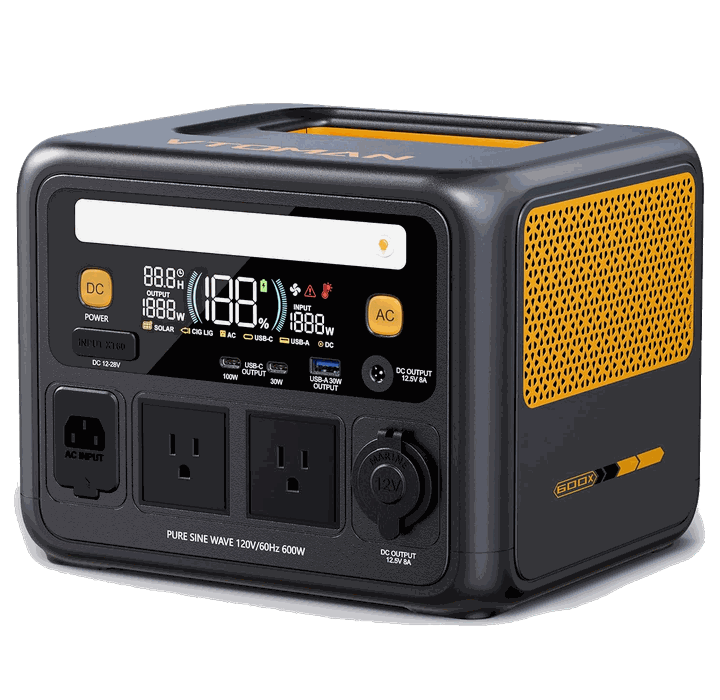
VTOMAN Jump 600X portable power station
300–1,200 Wh · VTOMAN

VTOMAN Jump 600X

★★★★★★★★★★4.51,895 ratings
Usable
228 Wh
What you get
Rated
268.8 Wh
What it says
Output
600 W
At once
🔋 LiFePO4 · 9.92 lb
Our takeLiFePO4 rated for 3,000 cycles and the lightest in its class at 9.92 lb.
268.8 Wh rated
92/100Overall score
$$$$$
Check price on Amazon
8RANK
Grecell 999Wh portable power station
300–1,200 Wh · GRECELL

Grecell 999Wh

★★★★★★★★★★4.33,115 ratings
Usable
849 Wh
What you get
Rated
999 Wh
What it says
Output
1,000 W
At once
🔋 chemistry not stated · 23 lb
Our takeThe manufacturer does not state the battery chemistry.
999 Wh rated
89/100Overall score
$$$$$
Check price on Amazon
9RANK
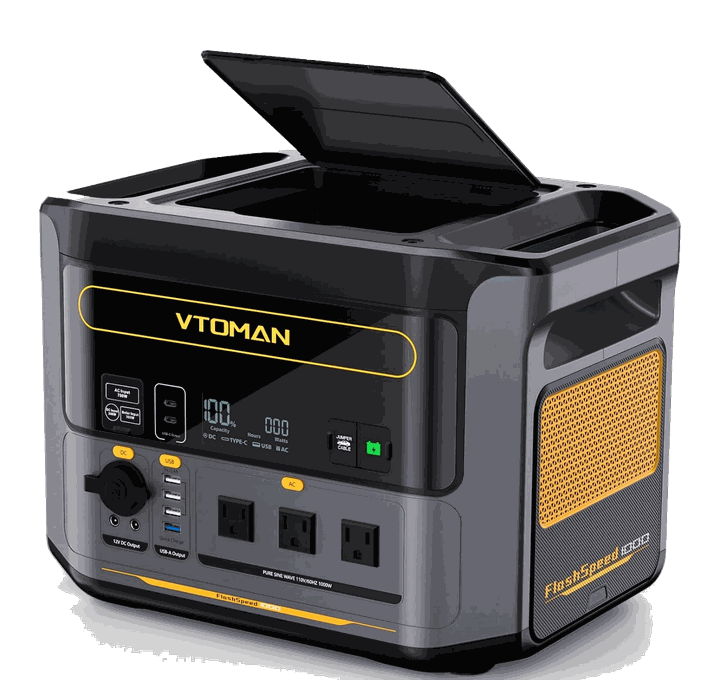
VTOMAN FlashSpeed 1000 portable power station
300–1,200 Wh · VTOMAN

VTOMAN FlashSpeed 1000

★★★★★★★★★★4.3518 ratings
Usable
704 Wh
What you get
Rated
828 Wh
What it says
Output
1,000 W
At once
🔋 LiFePO4 · 31.7 lb
Our takeLiFePO4 rated for 3,000 cycles.
828 Wh rated
88/100Overall score
$$$$$
Check price on Amazon

Prices change constantly; we link to the current listing rather than quoting a number that will be stale by the time you read it.

The one figure that matters

Why 1,000 Wh is not 1,000 Wh

A power station stores direct current. Your laptop charger, your fridge and your CPAP all want alternating current at 120 volts. Converting one into the other is the inverter's job, and no inverter is free — it draws power to run and loses more as heat.

In practice that costs somewhere between ten and twenty percent. We use 85 percent throughout this site, which is the conservative end of what manufacturers themselves quote. So a station sold as 1,000 Wh puts roughly 850 Wh into your devices.

This is not a scandal and nobody is lying to you. The cell really does hold what the box says. But if you size a unit by the advertised number, you will come up short — and you will find out at the worst possible moment.

The second thing worth knowing: almost every listing here says solar generator. There is no generator inside. It is a battery, and the solar panel is usually sold separately. Read the "what you get" line before you assume a panel is in the box.

Sizing

What size do you actually need?

Figures are typical draw for common devices. Your own appliances may differ — check the label on the back.

Battery types

LiFePO4 versus older lithium-ion

This is the single biggest difference between two units that otherwise look alike, and it is the one most buyers skip past.

LiFePO4 (lithium iron phosphate) typically survives 3,000 or more charge cycles before dropping to 80 percent of its original capacity. Charge it once a week and it will outlast the decade. It also tolerates heat better and is the safer chemistry under abuse.

Older lithium-ion packs manage roughly 500 cycles. They are lighter for the same capacity, which is why compact units still use them, but a unit you charge weekly is worn out in about two years.

That is why battery chemistry carries a fifth of the score on this site. Where a manufacturer does not state the chemistry, we leave the field blank and the unit scores on the remaining criteria — a missing figure is not counted as a zero.

Questions

Worth knowing before you buy

Is a portable power station the same as a generator?

No, and the listings blur this on purpose. A power station is a battery with an inverter — silent, safe indoors, no fuel. A generator burns gasoline or propane, runs as long as you feed it, and must stay outside. The phrase "solar generator" describes a battery that can be recharged by a panel, which is usually sold separately.

How much capacity do I actually need?

Add up the watts of everything you want to run, multiply by the hours you need it, then divide by 0.85 to account for inverter losses. The calculator above does exactly that. As a rough anchor: a full-size fridge alone runs about 1,500 Wh over 24 hours because the compressor cycles rather than running constantly.

Why does the score sometimes favour a smaller unit?

Because capacity and weight are normalised within the class. A 292 Wh unit built for a tent is judged against other compact units, not against a 3,600 Wh home backup. Otherwise the biggest battery would win every time, which tells you nothing about which one suits you.

LiFePO4 or lithium-ion — does it really matter?

For anything you plan to keep, yes. LiFePO4 typically lasts 3,000+ charge cycles against roughly 500 for older lithium-ion. Charged weekly, that is the difference between a decade and about two years.

Can I run a whole house on one of these?

No. Even the largest unit here covers a fridge, lights, routers and phones through an outage. Central air, an electric range or a well pump on a long run need a standby generator or a home battery system.

Do you test these yourself?

No, and we do not pretend to. Every figure on this site comes from the manufacturer's own listing. Where a figure is not stated, the field stays blank instead of being filled with a guess, and the model is scored on the criteria that are documented.